
Signs Your Vehicle Needs Expert Attention Before Damage Gets Worse
You should seek professional help for transmission troubles when your car starts slipping gears, making strange noises, leaking fluid, or refusing to shift properly. These signs often mean the problem is more than a small adjustment. Acting early can prevent bigger damage, higher costs, and even a full breakdown on the road.
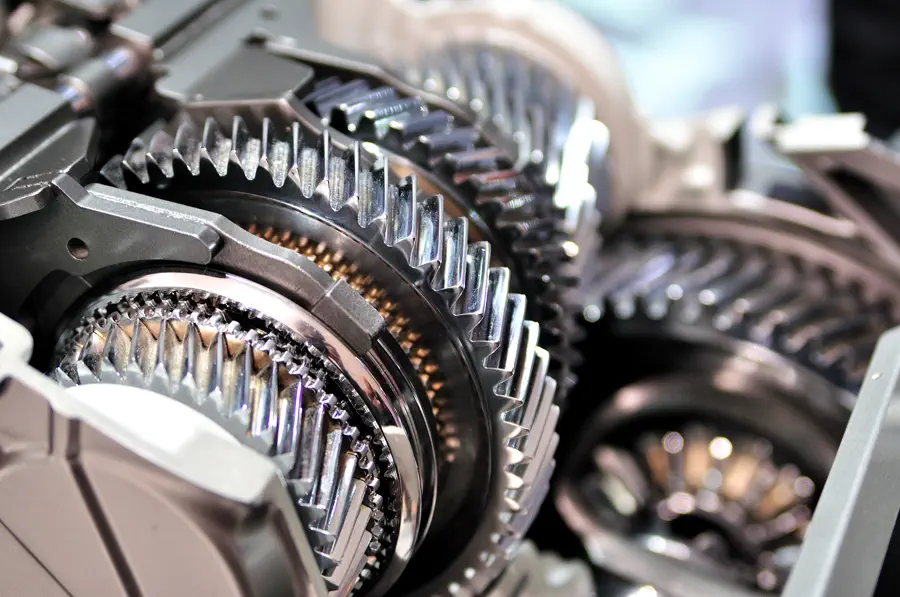
Common Symptoms You Should Not Ignore
Your vehicle often gives warning signs before a major failure. Paying attention to these clues can save you from being stranded.
- Gears slipping while driving
- Delayed shifting when you press the gas
- Grinding, whining, or clunking sounds
- Burning smell from under the hood
- Red fluid leaking under the vehicle
- Check engine light turning on
If you notice one or more of these issues, the problem may involve internal parts that need professional transmission repair. Waiting too long can turn a small fix into a full rebuild.
What Usually Causes Transmission Problems
Transmission troubles can start for many reasons. Some are minor, and some are more serious.
Low or dirty fluid is one of the most common causes. Transmission fluid keeps parts cool and lubricated. If it runs low or becomes contaminated, parts wear down quickly.
Worn clutch components in manual vehicles can also create shifting trouble. In automatic vehicles, failing solenoids or torque converters may cause slipping or rough shifting.
Sometimes the issue is linked to other parts of the vehicle. Problems within the broader service category keyword system, such as cooling or electrical components, can affect how the transmission performs.
No matter the cause, diagnosing the issue early is the best way to avoid major transmission repair later.
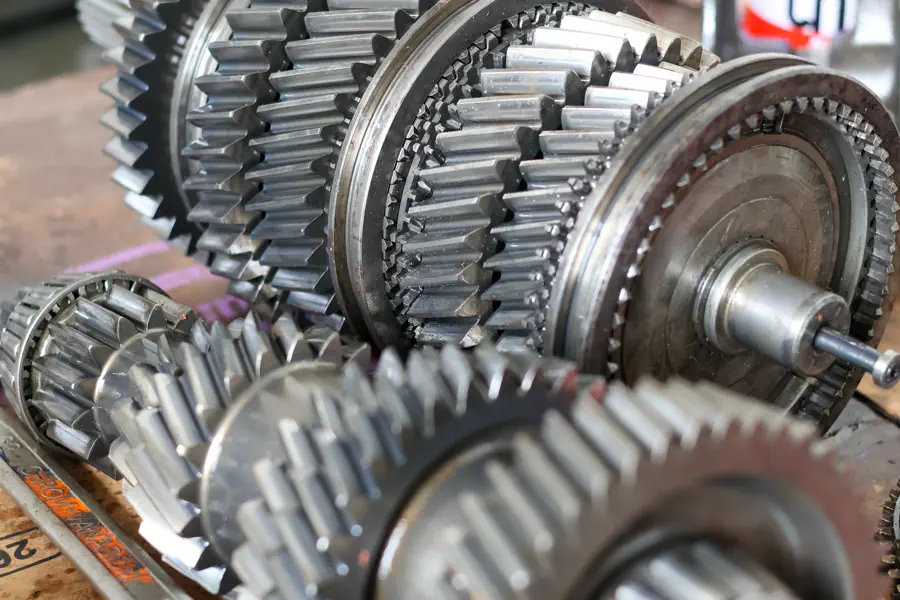
What You Can Check Before Calling a Professional
There are a few safe checks you can do on your own before scheduling service.
- Check the transmission fluid level using the dipstick, if your vehicle has one.
- Look at the color of the fluid. It should be reddish and clear, not dark or burnt.
- Inspect the ground where you park for red leaks.
- Pay attention to when the issue happens, such as during acceleration or braking.
If fluid is low, topping it off may help temporarily. However, low fluid often means there is a leak. That leak should still be inspected by a professional.
Safe Fixes Versus Professional-Level Repairs
Some minor issues can be handled without major work. Replacing old fluid or fixing a small external leak are common examples.
But many transmission problems require special tools and training. Internal parts are complex and tightly fitted. Opening the unit without proper knowledge can lead to more damage.
Professional transmission repair may include:
- Replacing worn clutch packs
- Repairing or replacing solenoids
- Fixing torque converter issues
- Resealing leaking gaskets
- Performing a full rebuild if damage is severe
If your vehicle will not move, slips constantly, or makes loud grinding sounds, it is time to seek professional help right away. Driving in this condition can make repairs more extensive.
How to Prevent Future Transmission Trouble
Routine maintenance is the best defense against costly repairs. Follow your vehicle manufacturer’s service schedule for fluid changes. Avoid towing weight beyond your vehicle’s limit. Come to a full stop before shifting between drive and reverse.
Also, have your vehicle inspected if you notice even small changes in shifting behavior. Early transmission repair is almost always simpler than waiting until the system fails.
When to Contact a Local Professional
If your vehicle shows ongoing symptoms, will not shift, or leaves fluid on the ground, it is time for expert help. Drivers in Dumfries, VA deal with daily traffic and heat that can add extra stress to their vehicles. At A&M Mechanic and Tire Service, we handle transmission repair for many makes and models. Our team can inspect your vehicle, explain the issue clearly, and recommend the right solution. Call us at (540) 596-7854 to schedule a diagnostic appointment and get your car back on the road safely.