
A Simple Step by Step Look at How Your Flat or Damaged Tire Gets Fixed
If you have a flat or leaking tire, you may wonder what happens during a tire repair service. In most cases, the shop will inspect the tire, find the damage, remove the tire from the wheel, fix the problem from the inside, and test it for leaks before putting it back on your car. The goal is to make the tire safe and reliable again. Knowing the steps can help you feel calm and prepared when you bring your vehicle in.
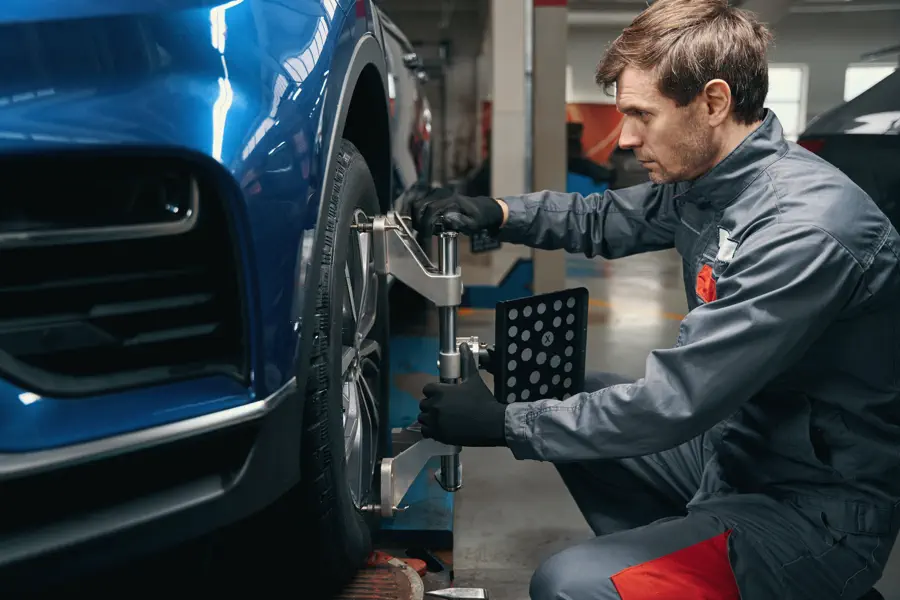
Quick Answer: What Happens During the Visit
A tire repair usually takes less than an hour, depending on how busy the shop is. A technician checks the tire, confirms it can be repaired, patches or plugs the damage, then balances and reinstalls it. Not every tire can be saved, but many small punctures from nails or screws can be safely fixed.
What You Need Before You Go
Before heading to the shop, there are a few simple things you can do:
- Check your tire pressure if you can.
- Look for visible nails, screws, or sharp objects.
- Note any warning lights on your dashboard.
- Bring your wheel lock key if your car has one.
This information helps the technician understand the issue faster. If you are stranded, a tow truck or roadside help may be needed to bring your car in safely.
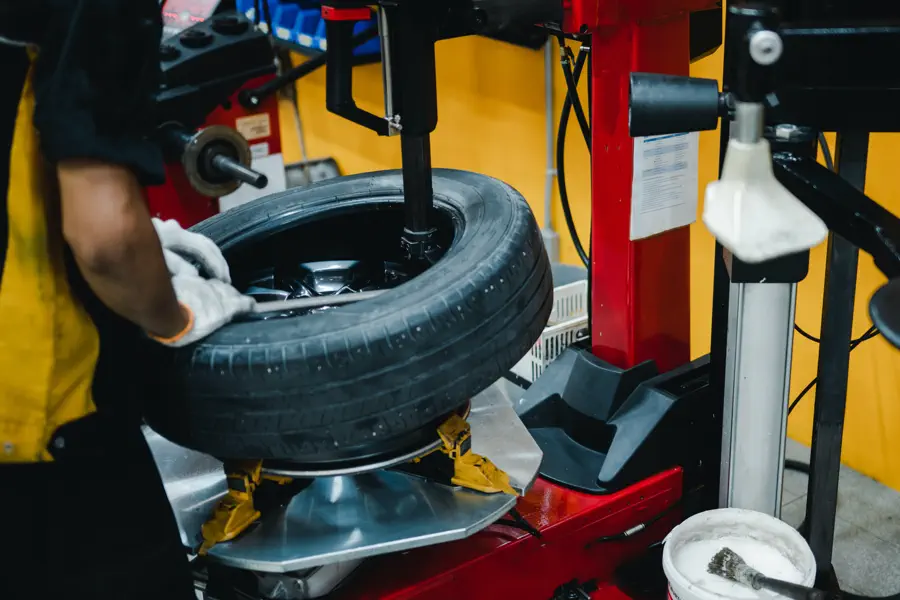
Step by Step: How a Tire Gets Repaired
Here is how most tire repair services are done:
- Inspection: The technician checks the tire’s tread and sidewall. They look for punctures, cracks, or uneven wear.
- Tire removal: The wheel is taken off the vehicle. Then the tire is separated from the rim.
- Internal check: The inside of the tire is inspected for hidden damage.
- Repair work: A patch or patch-plug combo is placed from the inside to seal the hole.
- Sealing and testing: The tire is resealed to the rim and filled with air. It is checked for leaks.
- Balancing and reinstalling: The wheel is balanced and put back on your car.
Shops that offer tire repair as part of their auto services follow safety rules. For example, damage on the sidewall usually cannot be fixed. Repairs are often limited to small holes in the tread area.
Common Mistakes to Avoid
Some drivers try to fix a flat on their own with a basic plug kit. While this may seem easy, it can lead to problems if done wrong. Here are common mistakes:
- Using a plug on sidewall damage.
- Ignoring low pressure after the repair.
- Driving too long on a flat tire.
- Skipping a full inspection.
Driving on a flat tire can damage the inside structure. This may make the tire unsafe, even if the hole looks small from the outside. A quick visit for tire repair is safer than risking a blowout later.
When to Call a Professional
You should seek professional help if:
- The tire loses air quickly.
- You see cords or fabric showing.
- The puncture is larger than a quarter inch.
- The damage is on the sidewall.
A trained technician has the right tools to remove the tire, inspect it fully, and fix it the right way. They can also tell you if a replacement is the better option. Safety always comes first.
How Long the Repair Lasts
A proper tire repair can last for the remaining life of the tire. The patch seals the inner liner and helps keep moisture out. After the service, it is still smart to check your tire pressure once a month. Good tire care helps with fuel savings and smoother rides.
Final Thoughts and Help in Dumfries, VA
If you are dealing with a flat or slow leak in Dumfries, VA, we are ready to help. At A&M Mechanic and Tire Service, we handle tire repair with care and attention so your vehicle stays safe on the road. Call us at (540) 596-7854 to schedule service or ask questions, and we will be glad to assist you.