
Clear Signs That Tell You When to Fix a Tire or Buy a New One
If you are not sure whether your tire can be fixed or needs to be replaced, start by looking at the size and location of the damage. Small tread punctures can often be fixed. Large holes, sidewall damage, or worn-out tread usually mean it is time for a new tire. A quick inspection can help you decide your next step and stay safe on the road.
Quick Answer: Repair or Replace?
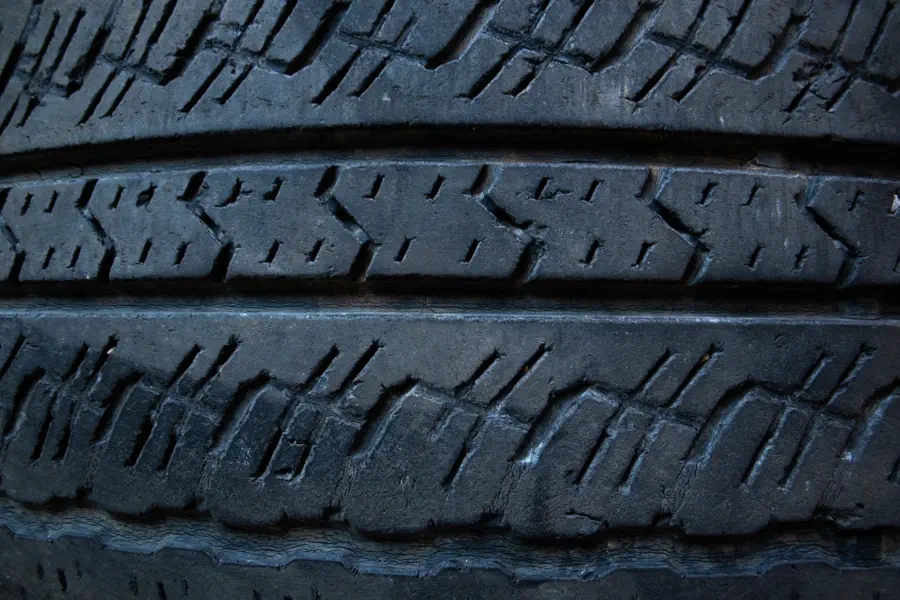
As a general rule, a tire can be repaired if the puncture is small and located in the tread area. Most shops can handle a hole that is about one-quarter inch wide or smaller. If the damage is on the sidewall, close to the edge, or the tire has very low tread, replacement is the safer choice.
When in doubt, driving on a weak tire can lead to a blowout. It is always better to check early than deal with a breakdown later.
What You Need Before You Start Checking
You do not need many tools to inspect your tire at home. A few simple items will help:
- A tire pressure gauge
- A flashlight
- A penny or tread depth gauge
- Soapy water in a spray bottle
Park your car on a flat surface. Turn the wheel outward so you can see the tire clearly. Make sure the parking brake is on before you begin.
Step-by-Step Way to Inspect Your Tire
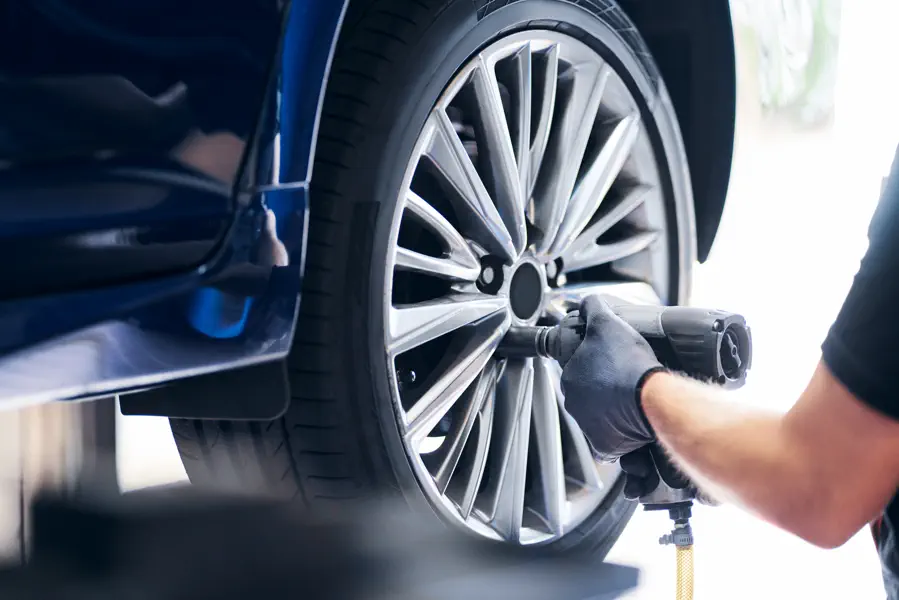
- Check the tire pressure. Use a gauge to see if the tire is holding air. If it keeps losing pressure, there may be a leak.
- Look for visible punctures. Scan the tread for nails, screws, or sharp objects.
- Spray soapy water. If you suspect a slow leak, spray the area. Bubbles can show escaping air.
- Inspect the sidewall. Look for cracks, bulges, or cuts. Sidewall damage usually means replacement.
- Measure tread depth. Place a penny upside down into the tread. If you can see the top of Lincoln’s head, the tread is too low and the tire should be replaced.
If the puncture is small and only in the tread, a simple tire repair may fix the problem. If you see bulges or cords showing through the rubber, do not drive on it. That tire is no longer safe.
Common Mistakes to Avoid
Many drivers try to make a quick fix without checking the full condition of the tire. Here are mistakes to watch for:
- Using a plug kit on sidewall damage
- Ignoring low tread depth
- Driving too long on a spare tire
- Not checking the inside of the tire for hidden damage
A plug from a kit may seem like an easy answer. But some temporary fixes do not last. A proper tire repair usually includes removing the tire and patching it from the inside. This creates a stronger seal.
When to Call a Professional
You should get expert help if you are unsure about the size of the puncture or if the tire keeps losing air. A trained technician can remove the tire, inspect the inner lining, and confirm if a tire repair is safe.
If your car pulls to one side, shakes at high speeds, or the tire has a large tear, do not wait. These are signs that the tire may be unsafe. Replacing it right away can protect you and your passengers.
It also helps to have a professional check your other tires. If one tire is badly worn, the others may not be far behind. In some cases, replacing more than one tire keeps your car balanced and riding smoothly.
Final Recommendation and Next Steps
Knowing how to spot tire problems can save you time and money. Small tread punctures can often be fixed with a proper tire repair. Large holes, sidewall damage, or worn tread usually call for a new tire. If you live in Dumfries, VA, changing weather and rough roads can wear tires down faster. Our team at A&M Mechanic and Tire Service checks each tire carefully and recommends the safest option for your vehicle. Call us at (540) 596-7854 to schedule an inspection or talk through your concerns with us today.