
The Way You Drive Each Day Can Shorten or Extend the Life of Your Transmission
Your driving habits have a direct effect on how long your transmission lasts. Fast starts, hard stops, towing too much weight, or skipping maintenance can all wear it down faster. Smooth driving, good fluid care, and regular inspections help prevent damage and lower the risk of major transmission repair. Small daily choices behind the wheel make a big difference over time.
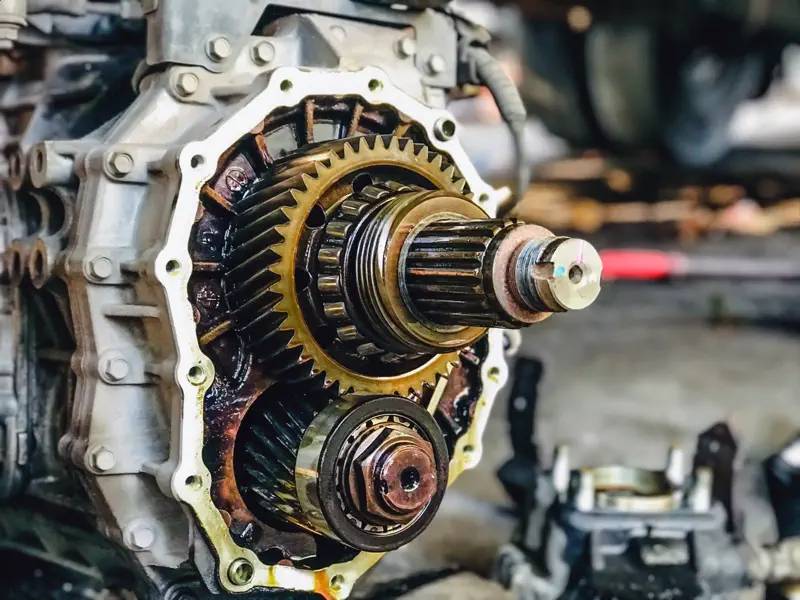
Why Prevention Matters
Your transmission moves power from the engine to the wheels. It works every time you press the gas pedal. When it is forced to work harder than normal, parts heat up and wear down. Heat is one of the biggest enemies of any transmission.
If you ignore early wear, the damage adds up. What starts as rough shifting can turn into slipping gears or complete failure. Prevention is simpler and far less stressful than dealing with a breakdown.
Early Warning Signs
Pay attention to small changes in how your car feels. These signs often show up before major problems:
- Delayed shifting when moving into drive or reverse
- Grinding or shaking between gears
- Burning smell after driving
- Transmission fluid spots under your car
- Engine revs high but the car moves slowly
If you notice any of these issues, it may be time for a professional inspection or transmission repair. Acting early can help prevent larger internal damage.
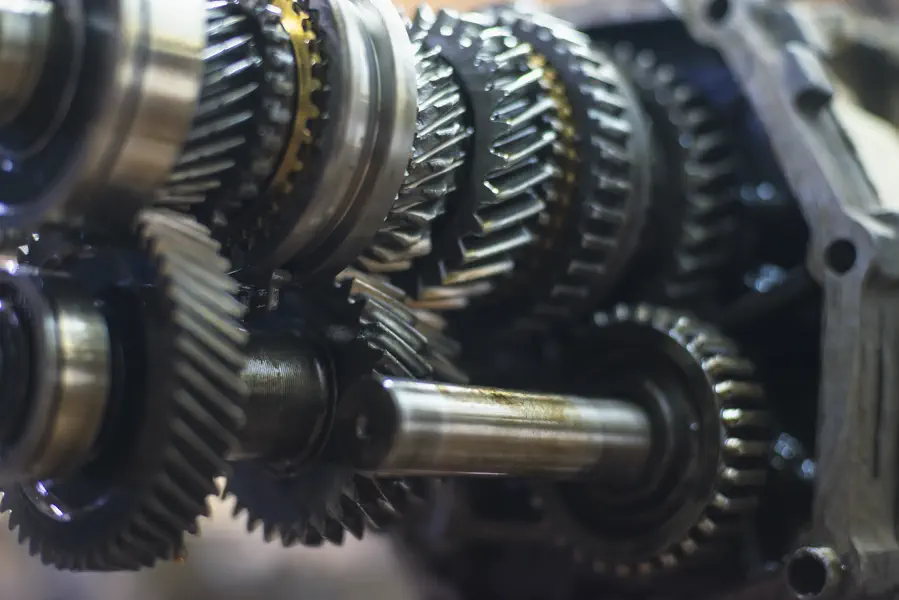
Seasonal or Routine Checklist
Good habits all year long will protect your transmission. Use this simple checklist to stay on track:
- Check transmission fluid every few months.
- Follow your vehicle’s service schedule.
- Warm up your car briefly in cold weather.
- Avoid aggressive driving and rapid acceleration.
- Reduce heavy loads if your car is not built for towing.
Hot summers can overheat fluid. Cold winters can thicken it. In both cases, regular checks help you catch problems early.
Best Practices for Long-Term Results
Smooth driving is one of the best things you can do. Press the gas pedal gently. Let your vehicle come to a full stop before shifting from drive to reverse. Sudden gear changes strain internal parts.
Keep your cooling system in good shape. The transmission depends on it to control heat. If your engine runs hot, your transmission will too.
It also helps to schedule periodic inspections under your general automotive services plan. A trained technician can spot worn seals, dirty fluid, or software issues before they turn serious.
If you drive in heavy traffic every day, your transmission shifts more often. Extra stop-and-go miles mean you should be even more careful about fluid condition and service timing.
What Not to Do
Some habits can quickly lead to transmission repair. Avoid these common mistakes:
- Shifting gears while the vehicle is still rolling
- Riding the brake and gas at the same time on hills
- Ignoring fluid leaks
- Towing beyond your rated limit
- Skipping recommended service intervals
Many drivers do these without thinking. Over time, the added strain damages clutches, bands, and gears inside the transmission.
When to Schedule Professional Help
If your car hesitates, jerks, or makes strange noises, do not wait. A quick inspection can tell you if you need minor service or full transmission repair. Waiting too long can turn a small fix into a major rebuild.
Drivers in Dumfries, VA often deal with heavy traffic and changing weather. Both can put extra stress on vehicles. A local shop can check fluid levels, scan for error codes, and test drive your car to find the issue.
Protect Your Transmission With Smart Driving
Good driving habits protect your vehicle and save money over time. At A&M Mechanic and Tire Service, we help drivers stay ahead of costly breakdowns with careful inspections and honest advice. If you are in Dumfries, VA and notice shifting problems or warning signs, call (540) 596-7854 to schedule service with us today.